

每月,协和古北校领导与一线教师将在本刊撰文,聚焦前沿教育议题、深耕学校核心育人理念,展开专业且深度的解读。助力大家洞悉教与学的底层逻辑,深刻感知上海协和高级中学(协和古北)独一无二的办学底蕴与校园求学价值。
Each month, a member of SUIS Gubei’s senior leadership team or faculty will contribute an article exploring current educational topics and our core educational principles in depth. These articles aim to deepen our understanding of teaching and learning and offer insights into what makes the SUIS Gubei experience unique.
《洞察》前几期,我们解读了协和古北全新的使命与愿景,也探讨了五项价值观之一「恪守准则」在 AI 时代课堂中的现实意义。支撑这套育人体系的五项价值观,并非墙上华丽的文字,而是我们在教室、走廊和实验室中,持续践行的选择。
In previous issues of INSIGHTS, we explored SUIS Gubei’s new mission and vision and looked at what it means to be Principled in the classroom in the age of AI. Our five core values are more than words on a wall. They are reflected in the choices we make every day in our classrooms, corridors and laboratories.
这一期,我们聚焦好奇。
In this issue, we explore Curiosity.
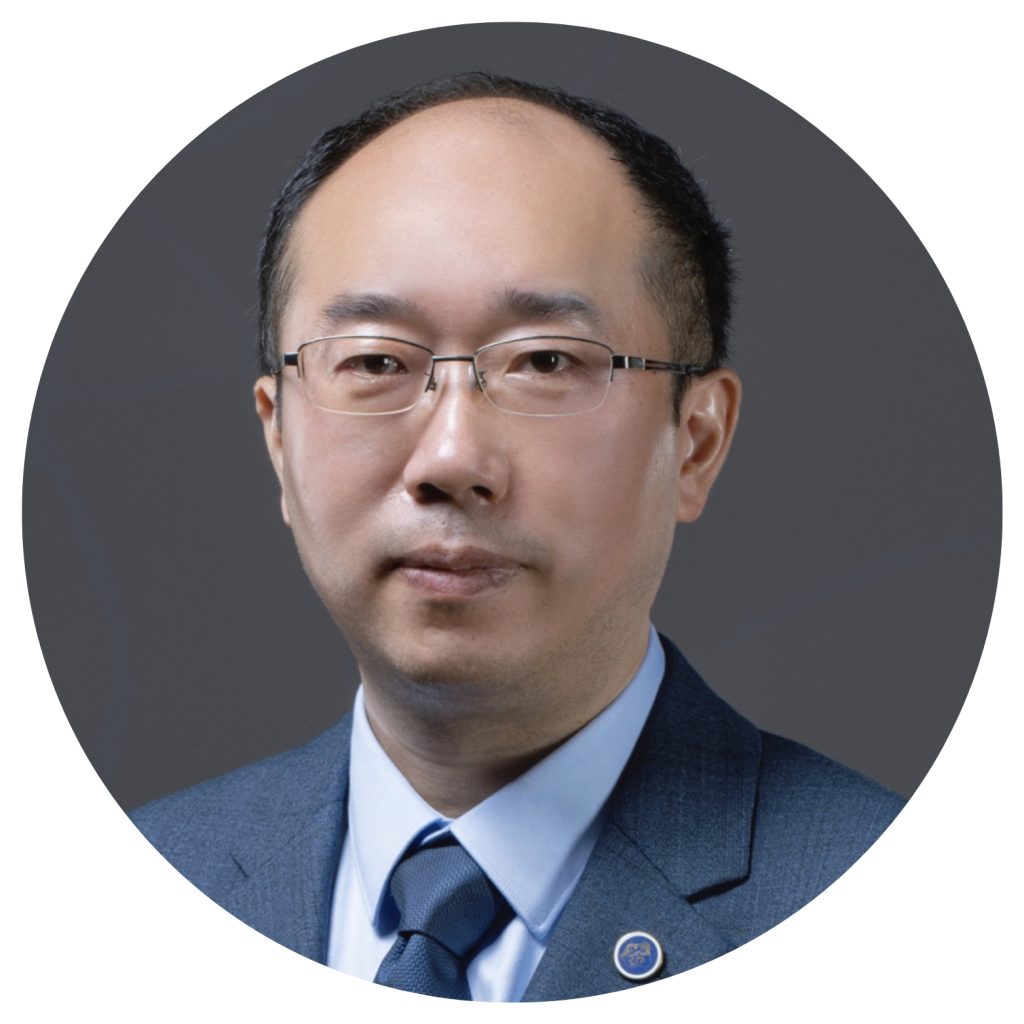
校长刘炜先生
Mr Bright Liu, Principal
本期由我——古北校长和一名物理教师——来执笔。之所以是我,大概是因为在我的人生里,”好奇”从来不是一个写在墙上的词,而是一条从少年时代一直延伸至今的线索。
As Principal of SUIS Gubei and a Physics teacher, I thought curiosity would be a natural place to begin. It has never been just a word on a wall to me, but a thread running through my life since my teenage years.
“我没有什么特别的才能,我只是无比好奇。” —阿尔伯特·爱因斯坦
“I have no special talent. I am only passionately curious.” — Albert Einstein
“我宁愿要无法回答的问题,也不要无法质疑的答案。” —彼得·德鲁克
“I would rather have questions that can’t be answered than answers that can’t be questioned.” — Peter Drucker
好奇,是 IB 的第一课
Curiosity: Where IB Learning Begins
在 IB 的学习者培养目标(IB Learner Profile)中,排在最前面的就是”勤于探究”(Inquirers)——”我们培养自己的好奇心,掌握开展探究与研究所需的技能”。IB 从不把学习理解为”把已知装进脑袋”,而是”对未知提出问题,并学会如何回答它”。这也是为什么在 IBDP 的课堂上,一个好问题的价值,往往高于一个标准答案。
The first attribute in the IB Learner Profile is “Inquirers”: “We nurture our curiosity, developing skills for inquiry and research.” IB learning goes beyond acquiring knowledge; it means questioning the unknown and seeking answers. In an IBDP classroom, a good question can be more valuable than a standard answer.
在我校的使命宣言中,这句话被写得更直白:我们以好奇探索、诚信立身、坚韧笃行,追求学术卓越。好奇被放在了第一位。这不是修辞上的讲究,而是逻辑上的必然——没有好奇,诚信就容易退化为被动的守规,坚韧也容易沦为机械的苦撑;只有当一个人真心想知道”为什么”,他才会诚实地面对证据,才会在跌倒之后还想再试一次。
SUIS Gubei’s Mission reflects this belief: “We pursue academic excellence with curiosity, integrity, and resilience.” Curiosity comes first for a reason. It inspires us to question, face evidence honestly and persevere when things don’t go as planned.
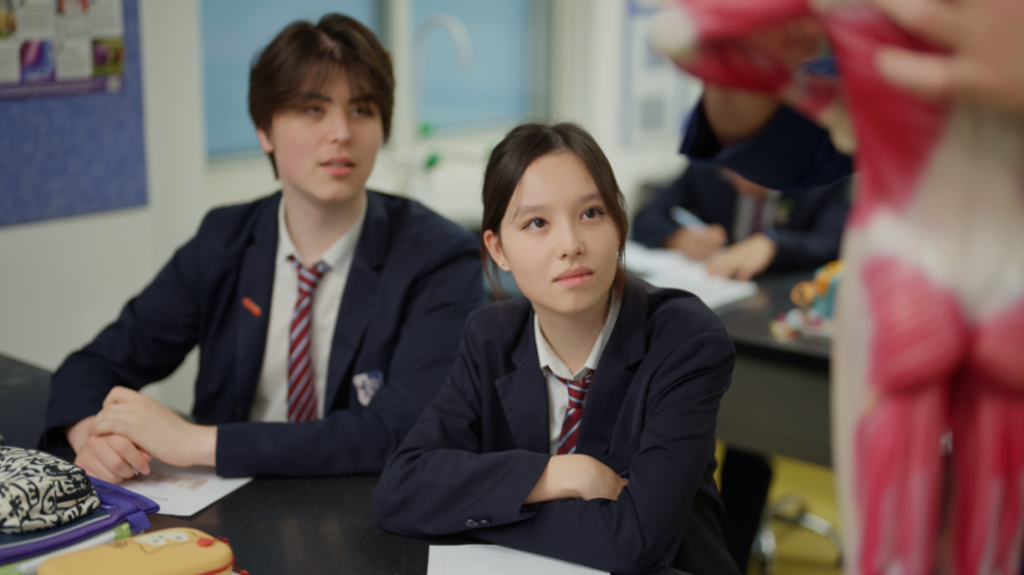
好奇心是学海之舟
Curiosity Keeps Learning Alive
我感觉自己是个幸运的人:物理既是我的职业,也是我终身的爱好。教物理这件事,把”工作”和”热爱”连在了一起,也让我每天都能重新做一次那个对世界充满疑问的孩子。
I consider myself fortunate: Physics is both my profession and my lifelong passion. Teaching allows me to rediscover the world each day through the eyes of a child full of questions.
中学阶段所涉及的物理知识,大部分都是被经典理论早已发现并重复验证的,是整个物理学大厦最坚固的地基。但是学习经典的过程,并不是无聊的重复。无论前沿理论发展到哪里,这里也是我们学习的起点。我们在每天的课堂上创设情境,再次走过数百年前先驱者们走过的道路,体会他们的彷徨和困惑,体会好奇心如何带领他们穿过茫茫黑夜,也许最终有幸触到真理的一角。
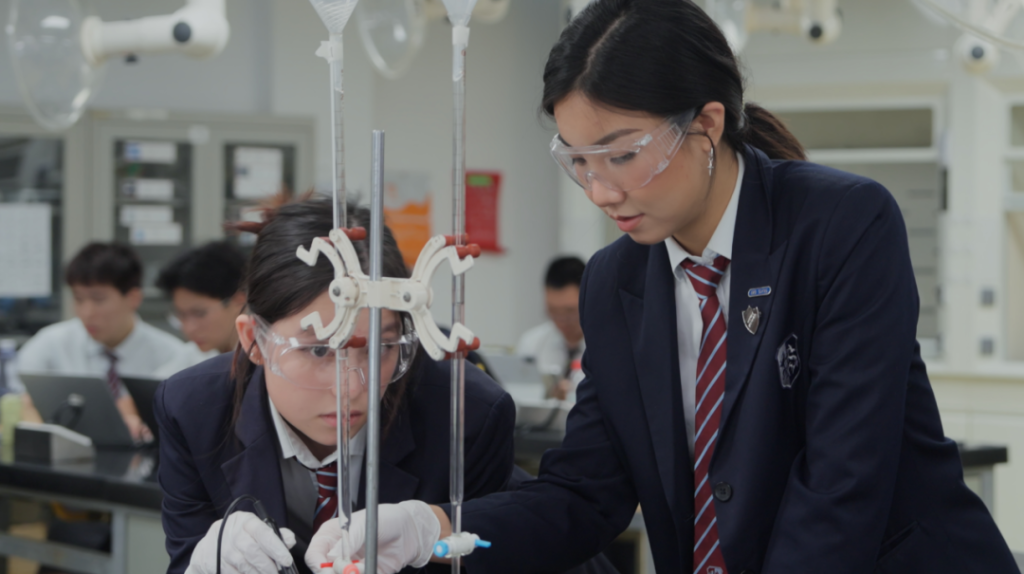
Much of the physics taught in secondary school is based on well-established theories that have been repeatedly tested and verified. Yet learning these foundations is far from tedious repetition. In our lessons, students retrace the paths of scientific pioneers, experiencing their uncertainty and discovering how curiosity helped them explore the unknown and move closer to the truth.
作为教师,我可以时时提醒学生们,教材和课堂所及,只是目前我们所知的冰山一角。但就是庞大的人类已知理论,也只是物理世界真相的沧海一粟。离开课堂,我和学生们一样,也是一个终身学习者。好奇心陪伴我们,让学习旅程中的每一天都像走进校园的第一天。
I remind my students that textbooks and classrooms reveal only a fraction of human knowledge, which itself is but a drop in the ocean of the physical world. Beyond the classroom, I’m a lifelong learner, just like my students. Curiosity makes every day of our learning journey feel like a new beginning.
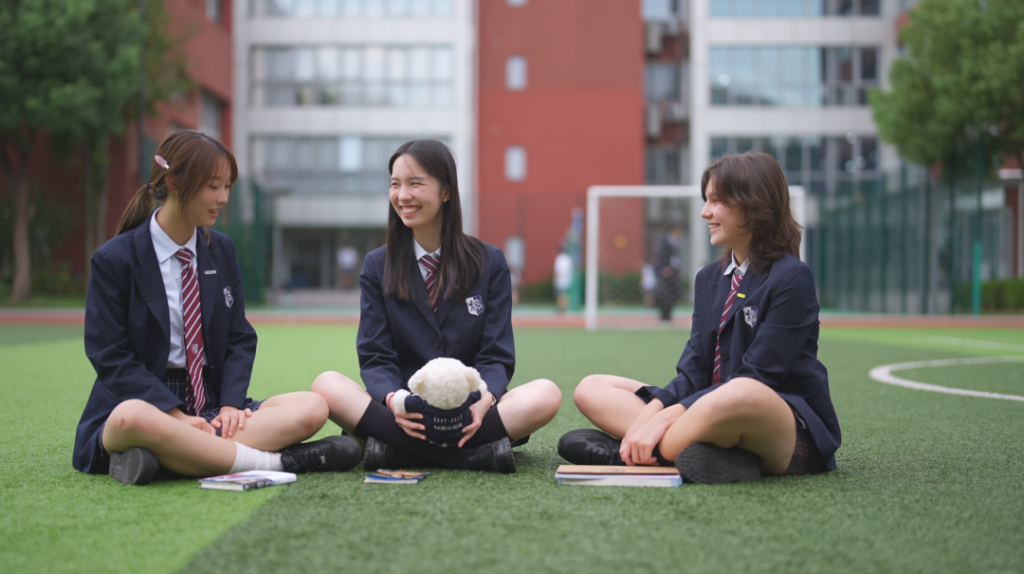
赤子之心,是对抗钝化的唯一办法
Keeping Our Sense of Wonder Alive
对未知的好奇,让人永葆赤子之心。这句话听起来柔软,其实很硬。
Curiosity about the unknown keeps our childlike wonder alive. It sounds gentle, but it is a powerful force.
它让我们始终睁眼看世界。习惯,是最容易让人变盲的东西。当你开始觉得”本来就是这样”,学习就已经停止了。
It keeps our eyes open. When we start thinking, “That’s just how things are,” learning begins to stop.
它让我们的感官永远不会钝化。一个好奇的学生,会注意到实验数据里那个”不该出现”的点,会留意到同学随口说出的一句有意思的话,会察觉到窗外天气的变化——而这些,往往正是突破的起点。
It sharpens our senses. A curious student notices an unexpected point in experimental data, an intriguing remark from a classmate or a change in the weather. Small details like these can be the starting points of discovery.
它让我们对变化保持开放与接纳。中国古人讲”学贵有疑,小疑则小进,大疑则大进”;西方科学传统讲”我宁愿要无法回答的问题”。中西两条路,在这一点上惊人地一致:真正的进步,始于坦然承认自己还不知道。这也正是协和古北”中西融合,和谐发展”的日常注脚。
It keeps us open to change. Chinese wisdom teaches that questioning drives progress: small questions bring small gains, while great questions bring great progress. The Western scientific tradition echoes this spirit in Feynman’s words: “I would rather have questions that can’t be answered.” Both traditions remind us that progress begins with acknowledging what we do not yet know. This spirit is also reflected in SUIS Gubei’s commitment to integrating Chinese and Western education.
上一期文章在谈愿景时提到,我们必须对 AI 依赖保持警惕。我想补上一句:AI 最擅长的,是给出答案;而人最不可替代的,是提出问题。当搜索和生成变得无比廉价,判断”什么问题值得一问”的能力,反而成了最稀缺的素养。
In the previous issue, we explored the need to remain mindful of our growing dependence on AI. I would add that AI may excel at providing answers, but what remains irreplaceable about people is our ability to ask questions. As information becomes easier to access and content easier to generate, knowing which questions are worth asking may become one of our most valuable skills.

好奇,也需要脚手架
Curiosity Needs a Framework
但我们并不指望好奇凭空生长。在协和古北,它有一座座脚手架:IB 的内部评估(IA)让学生自己设计实验、自己面对那些”不听话”的数据;拓展论文(EE)逼着他们在没有人给答案的地方走完 4000 字;认识论(TOK)课上最常听到的一句话是——”你凭什么知道?”
At SUIS Gubei, curiosity is nurtured through structure and opportunity. IB Internal Assessments (IA) let students design experiments and grapple with unexpected data. The Extended Essay (EE) challenges them to investigate a question independently in a 4,000-word essay. In Theory of Knowledge (TOK), one question echoes throughout: “How do you know?”
这些课程的共同之处,不是教会学生更多知识,而是让他们习惯一件事:在没有标准答案的地方,依然可以理性、诚实、兴致勃勃地往前走。
These experiences teach students not just to acquire knowledge, but to think rationally, honestly and enthusiastically when no standard answer exists.

给家长的一句话
One Thought for Parents
最后,我想对家长提一个小小的请求:当孩子问”为什么”的时候,请先别急着给答案。多问一句”你觉得呢?”,或者”你打算怎么把它弄清楚?”。
When your child asks “Why?”, try not to rush to answer. Instead, ask, “What do you think?” or “How could you find out?”
一个答案,只能关闭一个问题;而一句反问,可能打开一整个领域。
An answer may close one question, but a question can open up an entire field of discovery.
好奇不应该在毕业典礼那天结束。它是一种被带走的能力——带着它,我们的学生在前路未明时依然睁着眼睛,依然愿意发问,依然能在变化面前张开双臂。
Curiosity should not end at graduation. It is a lifelong skill that helps students keep questioning, stay open to the unknown and embrace change.
▲ Written by Mr Bright Liu, Principal
▲ 撰文 刘炜,校长