

Every three years, the OECD’s Programme for International Student Assessment (PISA) looks at how 15-year-olds around the world read, solve mathematical problems and think scientifically. The latest report, PISA 2025 Results, was published this year. It opens with a sobering picture, but it also points clearly to something families and schools can do together. 经济合作与发展组织(OECD)每三年开展的国际学生评估项目(PISA),覆盖全球15岁学生的阅读、数学与科学素养,被视作全球中学教育最受关注的”体检报告”。最新一期的《PISA 2025结果》刚刚出炉。这份报告不仅敲响了学生阅读能力下滑的警钟,也明确指出了家庭与学校可以携手努力的方向。
Where we are 现状如何
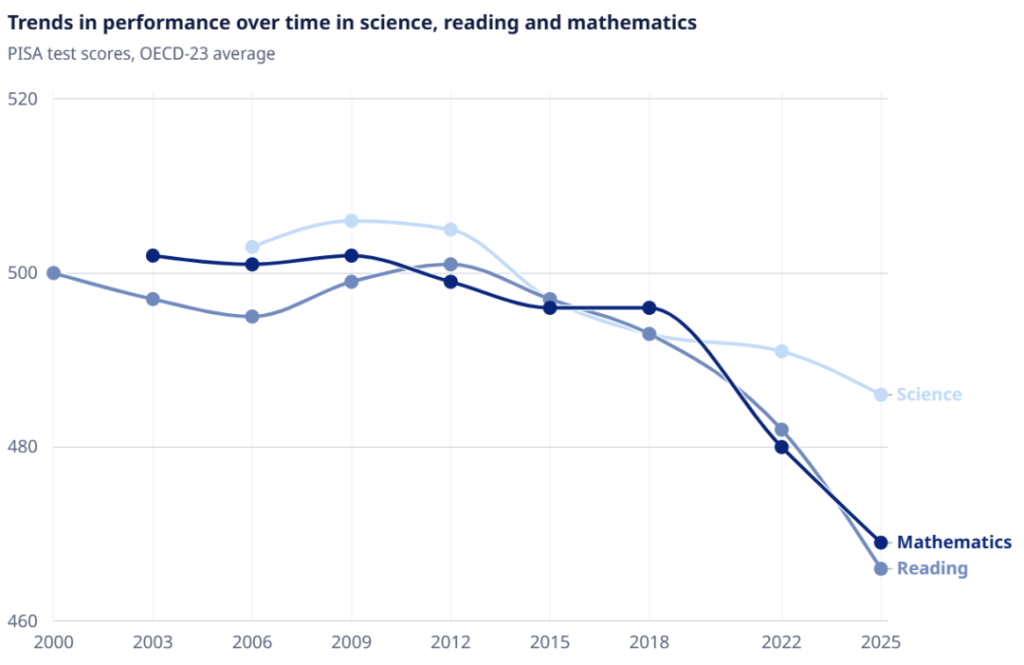
Reading showed the steepest decline of the three subjects: across OECD countries, reading scores fell by 28 points between 2015 and 2025. The way students read has changed too. The share of “hasty readers”, students who rush through a text and answer quickly but incorrectly, almost doubled between 2018 and 2025. The tasks that became hardest were those built on longer texts, where students need to evaluate information, reflect on it and connect ideas from different sources. 三个科目里,阅读退步最快。2015至2025年间,OECD国家学生的阅读成绩下降了28分。学生的读法也在改变——”草率读者”变多了,他们扫得快、答得快、也错得多,这类学生在2018到2025年间几乎翻了一番。丢分最集中的是长文本题,这类题要求学生评估信息、反思内容,再把不同来源的观点联系起来。
All mean-performance estimates are statistically significantly different from the PISA 2025 estimates, except for science in PISA 2022. 除2022年科学的均值估计值外,所有均值表现估计值均与PISA 2025年的估计值存在统计上的显著差异。
These results have come alongside more time on screens, a shift towards short and fragmented digital reading, and fewer young people reading for enjoyment. Nor is this only about teenagers: parents’ own reading habits appear to have changed as well. 与此同时,屏幕时间越来越长,阅读越来越碎片化,为乐趣而读书的年轻人越来越少。而且,变化的远不止孩子——家长自己的阅读习惯,也在悄悄改变。
Why this matters beyond English class 为什么这不只关乎语文课
Reading is not just one subject among many; it is the way into all of them. PISA found that the countries with the largest falls in reading also tended to see larger falls in mathematics and science. The report explains part of the reason: its mathematics questions ask students to reason through real-life situations, and those situations are presented as written texts. Science questions work in the same way, whether they involve an experiment, a data table or a claim that needs checking. 阅读并非众多科目中的普通一门,而是通往所有科目的门径。PISA发现,阅读成绩降幅最大的国家,其数学与科学的降幅往往也更为严重。报告揭示了部分缘由:数学题要求学生针对现实生活中的情境展开推理,而这些情境都以书面文字呈现;科学题也一样——无论涉及的是一场实验、一张数据表,还是一个有待核实的论断。
A student who can stay with a long, detailed text is therefore better prepared for a mathematics word problem or a scientific investigation. Strong readers carry that strength into every classroom. 因此,一个能沉下心读完冗长而细致文本的学生,在面对数学应用题或科学探究时,也准备得更为充分。出色的读者,会把这份能力带进每一间教室。
Reading as a way of thinking 阅读是一种思考方式
The OECD highlights that the skills weakening most are the ones we need most today: evaluating information, comparing sources and thinking critically about what we read. We live surrounded by headlines, short videos and instant AI-generated answers, and in that world a patient reader has a real advantage. Someone used to following an argument to the end is more likely to notice when something does not add up, to ask where a claim comes from, and to separate reliable information from noise. OECD着重指出,下滑最明显的能力,恰恰是当下我们最迫切需要的能力:评估信息、比较来源、批判地看待所读内容。我们被新闻标题、短视频和AI即时生成的答案所包围,而在这样的世界里,一位耐心的读者拥有真正的优势。一个习惯于把论证读到最后的人,更有可能察觉哪里说不通,追问某个论断从何而来,并从嘈杂的信息中辨出可靠的部分。
This is where reading for pleasure comes in. Nobody builds reading stamina by forcing their way through a book they dislike. We build it by getting lost in a story, a comic or a topic we care about, again and again. Enjoyment is what turns reading from a task into a habit. 这正是在乐趣中阅读的意义所在。没有人能靠硬啃一本不喜欢的书练出阅读耐力;耐力是在一次次沉浸于某个故事、某本漫画、某个自己真正关心的话题中养成的。乐趣,让阅读从一项任务变成一种习惯。
The value of a printed book 纸质书的价值
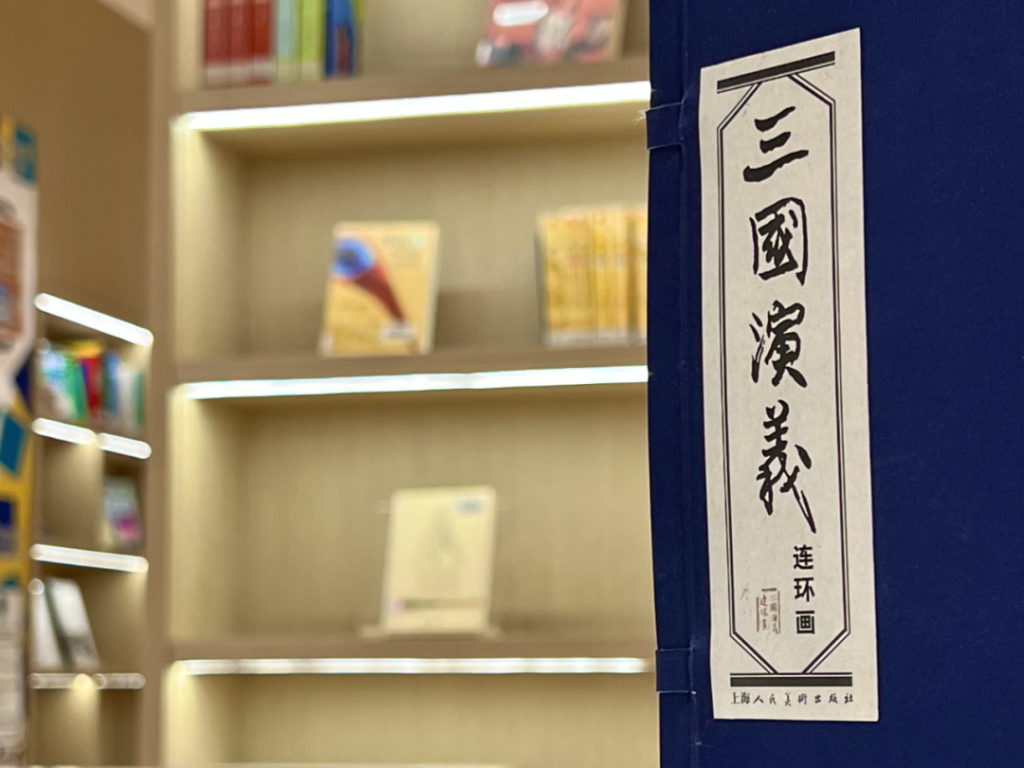
A printed book offers something rare: a space with no notifications, no autoplay and no feed pulling us somewhere else. It invites us to stay with one voice and one idea for a longer stretch of time, which is exactly the kind of focused attention PISA suggests is becoming harder to maintain. 纸质书给了我们一片难得的留白:没有通知,没有自动播放,没有把人拽向别处的信息流。只有一本书和一个想法,陪我们更久一点。这恰恰是PISA眼中越来越稀缺的专注力。
Earlier PISA data also found that students who more often read books on paper tended to perform better than those who read mainly on digital devices or rarely read books. The report also mentions countries acting on this idea. In Singapore, students still spend substantial time with print texts despite their high-tech classrooms. Sweden promotes reading through libraries, national reading campaigns and teaching that values depth over speed. PISA早前的数据也印证了这一点:常读纸质书的学生,成绩普遍好于主要用电子设备阅读、或很少读书的同龄人。有些国家已经动起来了——新加坡的课堂高度科技化,但学生仍会花大量时间读纸质文本;瑞典则靠图书馆、全国性阅读推广,加上重深度、不重速度的教学,把阅读拉回日常。
None of this means turning our backs on technology. As the OECD puts it, the aim is balance: technology supports learning best when students already have the focus and judgement to use it well, and deep reading is one of the best ways to build them. 然而学生并不是要拒科技于门外。正如OECD所言,关键在于平衡:当学生已经具备专注力与判断力、能够善用科技时,科技对学习的助力才最为充分,而深度阅读正是培养这些能力的最佳途径之一。
Small steps, real difference 小步骤,大不同
The encouraging part is that these habits can be rebuilt, and they can start small: 好消息是,良好的阅读习惯可以重新捡起来,而且从小事就能开始:
· Protect a little reading time every day, at school and at home. · 无论在校在家,每天固定留出一小段阅读时间。
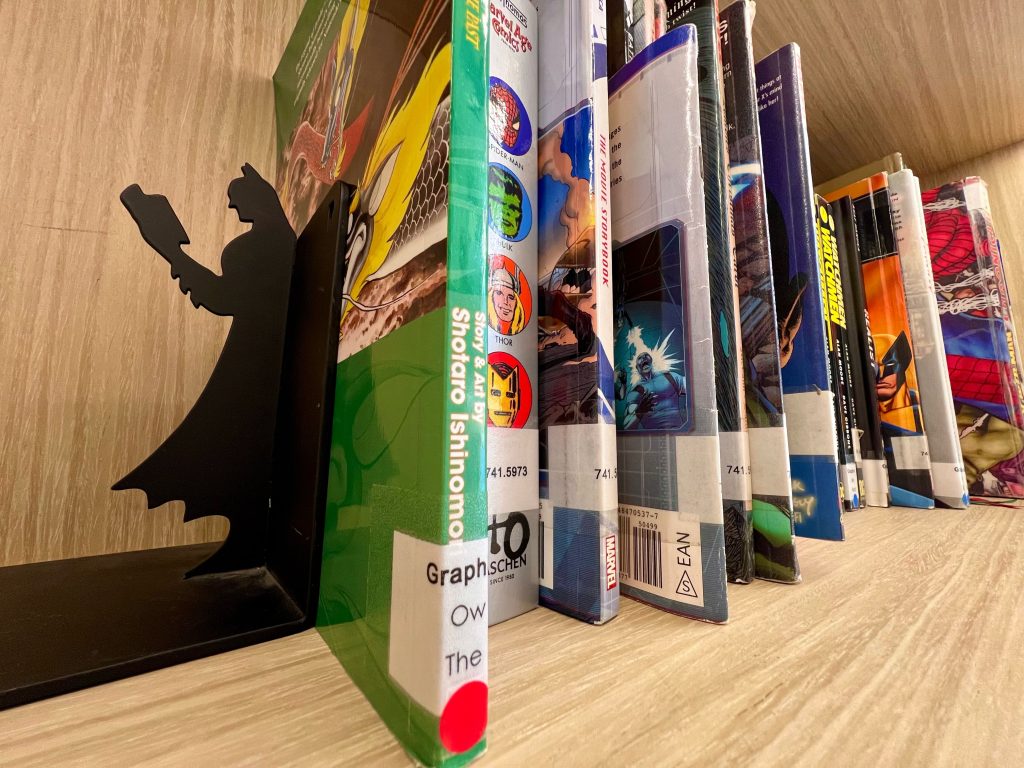
· Let students choose what they read: novels, comics, graphic novels, science books or biographies all count. · 让学生自选读物:小说、漫画、图像小说、科普书或人物传记等都可以。
· Keep the phone in another room while reading. · 阅读时,把手机放到另一个房间。
· Read where children can see you. PISA has found that students whose parents read, or enjoy reading, tend to enjoy reading more themselves. · 在孩子看得见你的地方读书。PISA发现,父母爱读书或享受阅读的学生,自己往往也更乐于阅读。
· Talk about books together: what surprised you, what you believed, what you questioned. · 一起聊聊书:什么让你惊讶,你相信了什么,又对什么存疑。
Our library is here to help 图书馆,随时在你身边
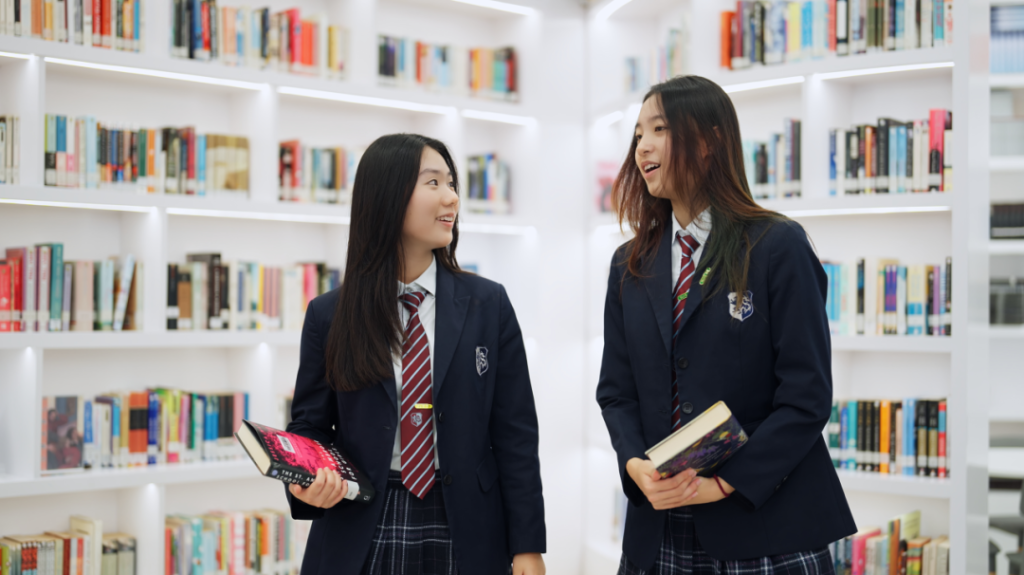
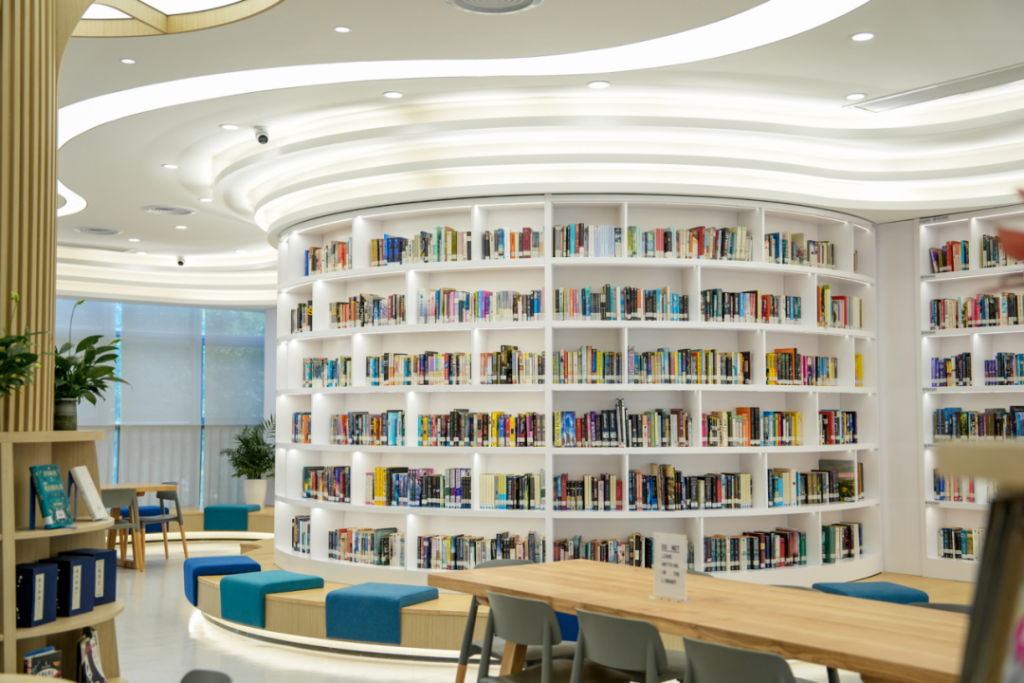
This year we are growing our collection, including more comics in both English and Chinese, and we are always happy to help students find the book that makes them want to keep turning the pages. The library is a quiet, cosy space for readers, and it is common to see a couple of teachers spending their break among the students, book in hand. One friendly warning: if you spot the librarian behind a book with a frown of concentration, give him a minute to finish the page! 今年,我们正在扩充馆藏,包括更多中英文漫画;我们也乐意帮学生找到他们爱不释手的书。图书馆是个安静舒服的角落,课间常能看到几位老师捧着书,和学生们一起静静度过。友情提醒:如果你看到图书馆员躲在书后、眉头微蹙、全神贯注,请多给他一分钟,让他读完这一页!
In the OECD’s words, the future belongs to those who can interpret information, connect it and make meaning from it. That ability grows one page at a time, and the best pages are the ones we choose to read. 用OECD的话说,未来属于那些能够解读信息、串联信息并从中创造意义的人。这种能力,是一页一页积累起来的;而最好的书页,正是我们自己选择去读的那些。
▲ Written by Rafael Montesinos, Librarian, EE Coordinator
▲ 本文由图书馆员、扩展论文(EE)协调员 Rafael Montesinos 撰写